

Testosterone (a male hormone) is essential. As early as seven weeks after conception, testosterone is produced by males. Testosterone levels peak in the late teens and then drop off. Typical for testosterone levels in men to decline each year slightly after the age of 30. According to a post on Extrem News, most men have more testosterone than they need. However, the body can produce too much testosterone. Hypogonadism can result. This can be treated using hormonal therapy. However, this requires a doctor’s prescription. Normal testosterone levels in men should be avoided when considering testosterone therapy. The testosterone levels in men can impact every aspect of their lives, as explained below.
Endocrine System
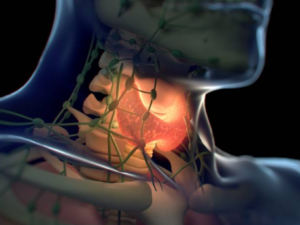 Glands that produce hormones are part of the body’s endocrine system. The hypothalamus in the brain tells the pituitary gland that it needs the right amount of testosterone. From the pituitary gland, the message is passed to the testicles. Although most testosterone is produced in the testicles and the adrenal glands, located just above the kidneys, they produce small amounts; they only have a small percentage.
The adrenal glands produce small amounts of testosterone in women and the ovaries in men. Testosterone is working to form male genitals. Testosterone is responsible for developing male attributes like a deeper voice, beard, and body hair during puberty—testosterone production surges during adolescence and peaks in the late teens or early 20s. After age 30, it’s natural for testosterone levels to drop by about one percent each year.
Reproductive Organs
About seven weeks after conception, testosterone begins to form the male reproductive organs. During puberty, testosterone production increases, and the testes and penis begin to grow. The testicles produce a steady stream of testosterone and produce new sperm every day. Men who have low testosterone levels may experience erectile dysfunction (ED). Sperm production may decrease if testosterone treatment is prolonged over a long period. Enlarged prostate or more minor, softer testicles may be caused by testosterone therapy. Patients with prostate or breast cancer should avoid testosterone replacement therapy.
Sexuality
During puberty, testosterone levels increase and promote the growth and development of the testicles (penis) and pubic hair. The voice begins to grow, and muscles and body hair increase. With these changes, sexual desire also increases. There is some truth to the “use it or lose it” theory. Low testosterone levels can lead to a loss of sex drive. Testosterone levels increase with sexual stimulation. Long periods of inactivity can cause a drop in testosterone levels. Low testosterone levels can lead to erectile dysfunction.
Central Nervous System
The body has a system that controls testosterone. This includes sending messages about hormones and chemicals that are released into the bloodstream. The hypothalamus in the brain tells the pituitary gland how much testosterone is needed, and the pituitary gland passes the information to the testes. Certain behaviors, such as aggression or dominance, are influenced by testosterone. It is also known to increase self-esteem and competitiveness and to stimulate competition.
Competitive activities can affect …